
Hearing Loss in Children: How to Recognize the Early Symptoms
As parents, we carefully observe every milestone that our children attains, right from their initial smiles to their very first words. However, when you’re dealing with hearing problems among young children there are signs that may not be obvious. A lot of parents believe that the delay in speech or lack of attention is a normal occurrence that can cause delays in timely assistance. Knowing the best way to recognize hearing loss among young children in the early years can result in an enormous difference to their language, education and social growth. By enlisting the help of experienced centers such as ASHBC and ASHBC, parents will be able to identify the first signs and then take appropriate action when it is timing.
What is the reason early Detection is Important
The brain of a child develops quickly throughout the first few years particularly in areas that are related to hearing and speaking. If hearing loss is not noticed and untreated, it could affect the clarity of speech, ability to learn as well as social self-confidence. Children who are identified early can receive help during this important time, helping them build the skills to communicate closer to their levels of age. As early as parents recognize concerns and concerns, the better longer-term results.
A Common Early Sign of hearing loss in infants
Hearing loss in babies may be subtle. Parents must be aware of how their child responds to noises in their daily lives. The first signs could be getting excited when hearing loud sounds and not inclining towards familiar voices, or not answering their name within 6 to 9 months. The absence of baby talk or of a variety of sounds could be a sign of early signs of trouble.
If the signs continue to be present and persist, it’s important not to put off treatment. Screening early can help eliminate temporary concerns and allows support to begin promptly.
Warning Signs to Toddlers as well as Young Children
When children get older, early signs of hearing loss for young children are more apparent in their behaviors and communications. Young children may exhibit difficulty understanding words, delayed speech or difficulties following instructions. A few children seem unresponsive at times, or even withdrawn particularly in noisy surroundings.
Parents could be aware that their child has a tendency to increase the volume on the television and frequently asking “what?” or watches the other children closely before replying. This type of behavior is often misinterpreted for personality traits or habits However, they may indicate the presence of hearing issues.
Behavior and Learning Indicates
When children are in school or preschool hearing loss could impact learning as well as social interactions. Inattention issues, frequent miscommunications and slow development of language or difficulty keeping up with classes are all common indicators. Children may be reluctant to participate in social activities in groups or appear timid because they find communication to be tiring or unclear.
Early evaluation can play a crucial role. Clinics such as ASHBC aid families determine if the problem is related to hearing, or other factors that affect development, providing the clarity and confidence.
What is the best time for parents to seek hearing evaluations?
Parents ought to consider having an assessment of their hearing in the event that they experience delays in speech, unclear pronunciation, a lack of responses to sound, or sudden shifts in the way they listen. Even if your child has passed an infant hearing test hearing loss may occur later on due to infection and illnesses, or any other cause.
Getting advice from a professional early on can help families find options before their child gets in the wrong direction. Finding the cause early will reduce the stress of parents and the children.
The Early Years Support Method Helps Children to Thrive
When parents discover hearing loss in their children the right support is needed to change the outcome. Early intervention could consist of hearing aids as well as periodic monitoring, based on the child’s requirements. When the approach is right kids can build strong communication and listening abilities, gain confidence, and fully participate at school as well as in social situations.
Families that work with dependable experts in ASHBC typically agree their experiences with understanding this condition, and having a plan provides confidence. Individualised attention and constant support will help kids reach their maximum capacity for communication.
The First Step With confidence
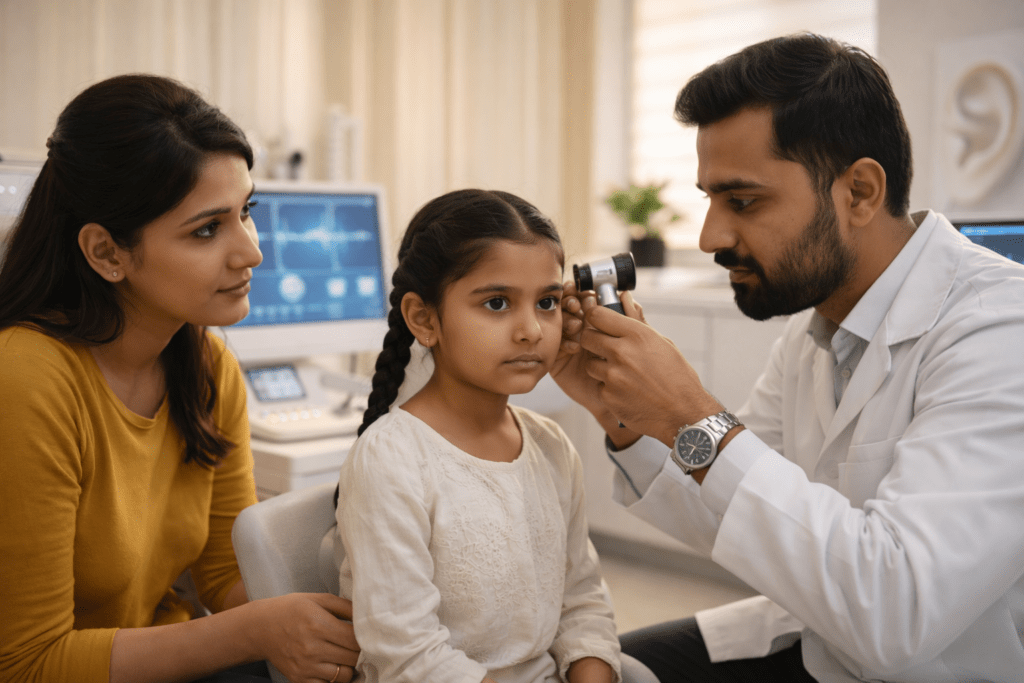
Being able to trust your intuition as a parent can be crucial. If you feel something is off with the child’s hearing or their communication It is always best to take a look at it earlier. Being aware of early signs of hearing loss in children helps parents act swiftly and with confidence.
Through a thorough evaluation and the compassionate assistance from centers like ASHBC family members are able to move forward in a clear manner. Early detection isn’t only about improving hearing but also allows children to develop, connect and excel throughout their lives.