
The Impact of Noise Pollution on Hearing Health: Prevention and Protection Tips
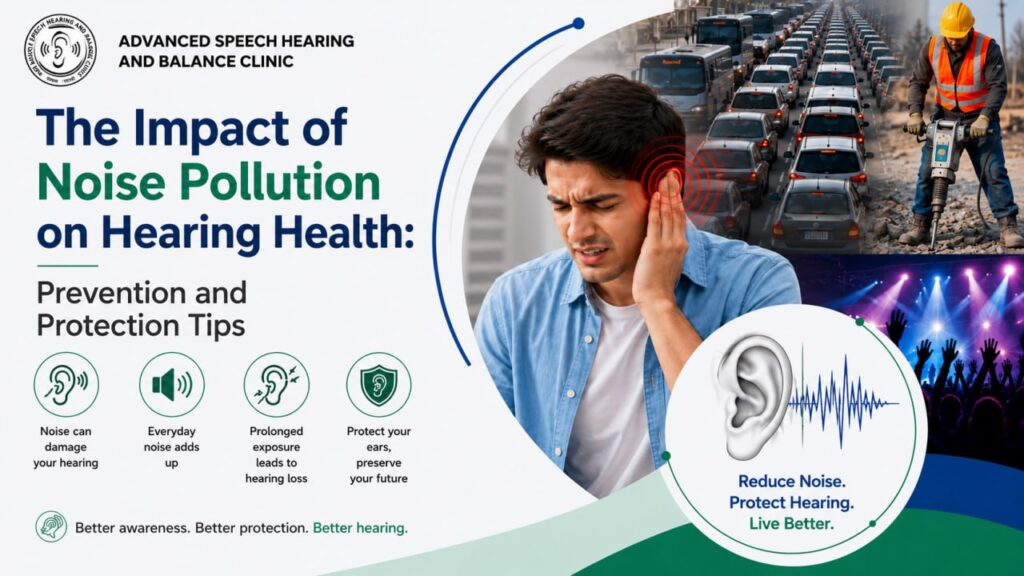
Walk out your front door in any big city, and sound just swallows you whole. Honking, drilling, speakers blasting from shops, machines humming somewhere in the background—it never actually stops, does it? Most of us have tuned it out so completely we don’t even notice anymore. But that’s exactly the problem. Noise Pollution Affects Hearing Health in ways that sneak up on you, and once symptoms actually show up, there’s usually no going back.
Audiologists at Advanced Speech and Hearing Clinic deal with this constantly, people walking in confused about hearing issues, never realising their everyday surroundings had been quietly chipping away at their ears for years. What the team at Advanced Speech and Hearing Clinic keeps emphasising is that this kind of damage rarely announces itself. It builds slowly, almost invisibly, and that’s precisely why so many people brush off the early signs.
What Actually Happens Inside Your Ear
Your inner ear holds thousands of microscopic hair cells, tiny structures that turn sound vibrations into signals your brain can process. Loud noise, over time, physically wrecks these cells. And here’s the kicker: unlike skin cuts or broken bones, they don’t grow back. Once they’re gone, that’s it. So whether you’ve spent years stuck in traffic, worked around heavy machinery, or blasted music through earphones daily, all of it quietly stacks up into permanent loss.
Sources of Noise You Probably Aren’t Thinking About
People assume noise pollution means construction sites or airport runways. Sure, those count, but plenty of everyday habits do just as much damage. Cranking up music through earphones for hours at a stretch, living beside a busy road, running power tools without ear protection, going to loud concerts regularly, it all adds up. Honestly, city living almost guarantees you’re exposed to unsafe sound levels far more often than you’d think.
Signs Worth Paying Attention To
Ringing in your ears after a loud environment, cranking the volume higher than you used to, struggling to catch what someone’s saying in a noisy room, and constantly asking people to repeat themselves are not things to shrug off. A lot of people chalk it up to age or stress. But ignoring these signs usually means missing the one window where something could’ve been done before things got worse.
Prevention Tips That Actually Work
Here’s the encouraging part, this kind of hearing loss is largely preventable if you build the right habits. Earplugs or noise-cancelling headphones genuinely help in loud settings, especially if your job puts you near machinery or you’re stuck commuting daily. There’s also the sixty-sixty rule worth following: keep headphone volume under 60% and cap listening sessions at sixty minutes.
Giving your ears breaks from constant noise matters more than people realise, too. If you work somewhere loud, protective gear isn’t something to skip, it’s non-negotiable. Even small things, like turning the TV volume down and cutting unnecessary noise exposure at home, genuinely make a difference over the years.
Why Getting Checked Regularly Matters
Since this damage builds up so gradually, routine hearing checkups catch problems way before they become obvious in daily life. Audiologists can spot subtle shifts in your hearing that you’d never notice on your own, which is honestly what makes early screening so valuable.
If any of these warning signs sound familiar, or you just want to know where your hearing currently stands, getting checked sooner rather than later genuinely matters. Advanced Speech and Hearing Clinic in Jasola offers detailed hearing evaluations and guidance tailored to your specific noise exposure, whether that’s your job, your commute, or just daily habits you haven’t questioned yet. Protecting your hearing isn’t complicated. It just takes some attention before the damage turns permanent, and that’s where getting the right professional involved actually makes all the difference.