
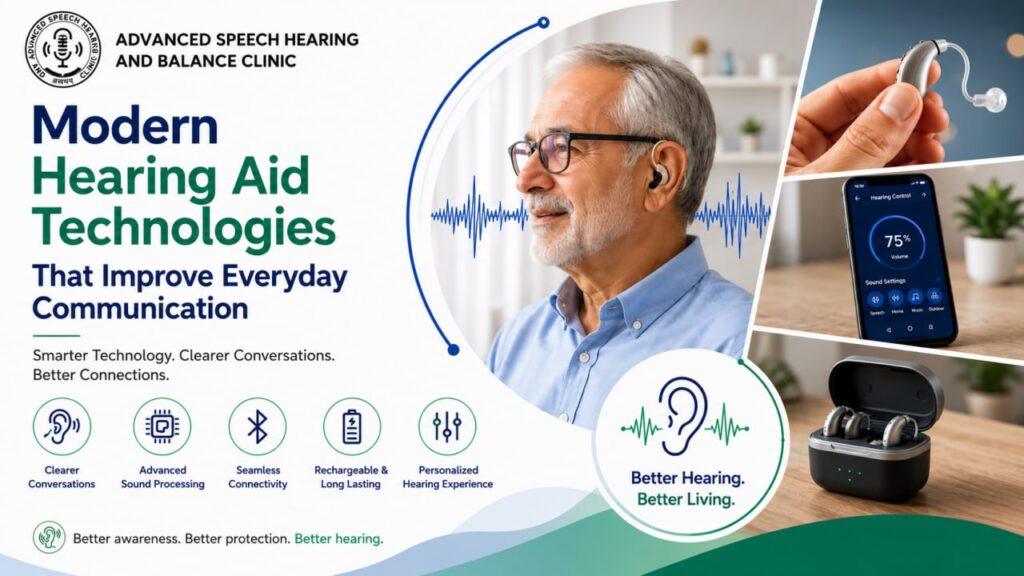
Modern Hearing Aid Technologies That Improve Everyday Communication
Forget the bulky, whistling devices most people still associate with hearing aids. That image is outdated. Latest Digital Hearing Aid Technology today is compact, intelligent, and actually designed around how people communicate day to day, not just cranking up volume but understanding context, filtering out noise, and adjusting to different settings as they change in real time.
From Analog to Digital: A Completely Different Approach
Older hearing aids basically amplified everything equally, so background noise got just as loud as the conversation you were trying to follow. Digital hearing aids work nothing like that anymore. They run on processors capable of telling speech apart from background noise, adjusting amplification based on what’s actually relevant in the moment. This one shift has completely changed how natural and comfortable hearing aids feel day to day, instead of leaving users overwhelmed the second they step into a crowded room.
Directional Microphones and Smarter Noise Reduction
Directional microphone technology has been a genuine game changer. Rather than picking up sound equally from every direction, these systems zero in on whatever’s happening in front of the user, usually where the actual conversation is taking place, while dialling down noise coming from the sides or behind. Combined with modern noise reduction algorithms, this makes following conversations in restaurants, family gatherings, or busy offices far easier than what older devices could ever manage.
Bluetooth Connectivity and Smartphone Pairing
Hearing aids today behave more like wearable tech than traditional medical devices. Plenty of models now pair directly with smartphones, letting users stream phone calls, music, or podcasts straight into their ears. Beyond just entertainment, this connectivity means switching listening modes or adjusting volume can happen quietly through an app, no more fumbling with tiny buttons while people are watching.
Rechargeable Batteries Over Disposable Ones
Battery upgrades might be one of the most underrated improvements in recent years. Rechargeable hearing aids remove the constant hassle of buying and swapping out tiny disposable batteries, and most modern versions easily last a full day on one overnight charge. For elderly users particularly, this solves a real daily annoyance and makes sticking with hearing aid use so much easier.
AI-Driven, Adaptive Sound Processing
Some newer hearing aids now use AI-powered sound processing that learns a user’s typical environments over time and adapts accordingly. These systems can figure out whether you’re in a silent room, a loud restaurant, or standing near traffic outside, adjusting automatically without needing manual input. This kind of automatic adjustment genuinely cuts down the mental effort of trying to hear clearly all day long.
Built-In Tinnitus Masking
For people managing tinnitus alongside hearing loss, several modern devices now come with masking features built right in, generating gentle background sounds that reduce how noticeable ringing or buzzing feels. This means one single device can now handle both amplification and tinnitus relief, something that used to require two completely separate solutions.
Nearly Invisible, Rechargeable Designs
Discretion matters far more to users than manufacturers often assume, and design changes reflect that shift. Many modern hearing aids now fit almost invisibly in or behind the ear, addressing the hesitation a lot of people feel about wearing something visible. Smaller parts and better craftsmanship have made this achievable without sacrificing sound quality or battery performance.
Finding the Right Fit for Your Needs
With this many features on the market, choosing the right hearing aid really comes down to individual lifestyle, severity of hearing loss, and the environments someone navigates daily. What works perfectly for someone sitting in a quiet office might completely fail someone constantly moving through noisy public spaces or handling frequent calls. This is exactly why staying updated on the Latest Digital Hearing Aid Technology matters before making a decision.